
Best 10 dining journal / 01
Top 10 Wine Pairings for a table evening
A practical starting point for shared restaurant meals: consider texture, temperature, seasoning and company, then let the pour follow the table rather than a rigid rulebook.
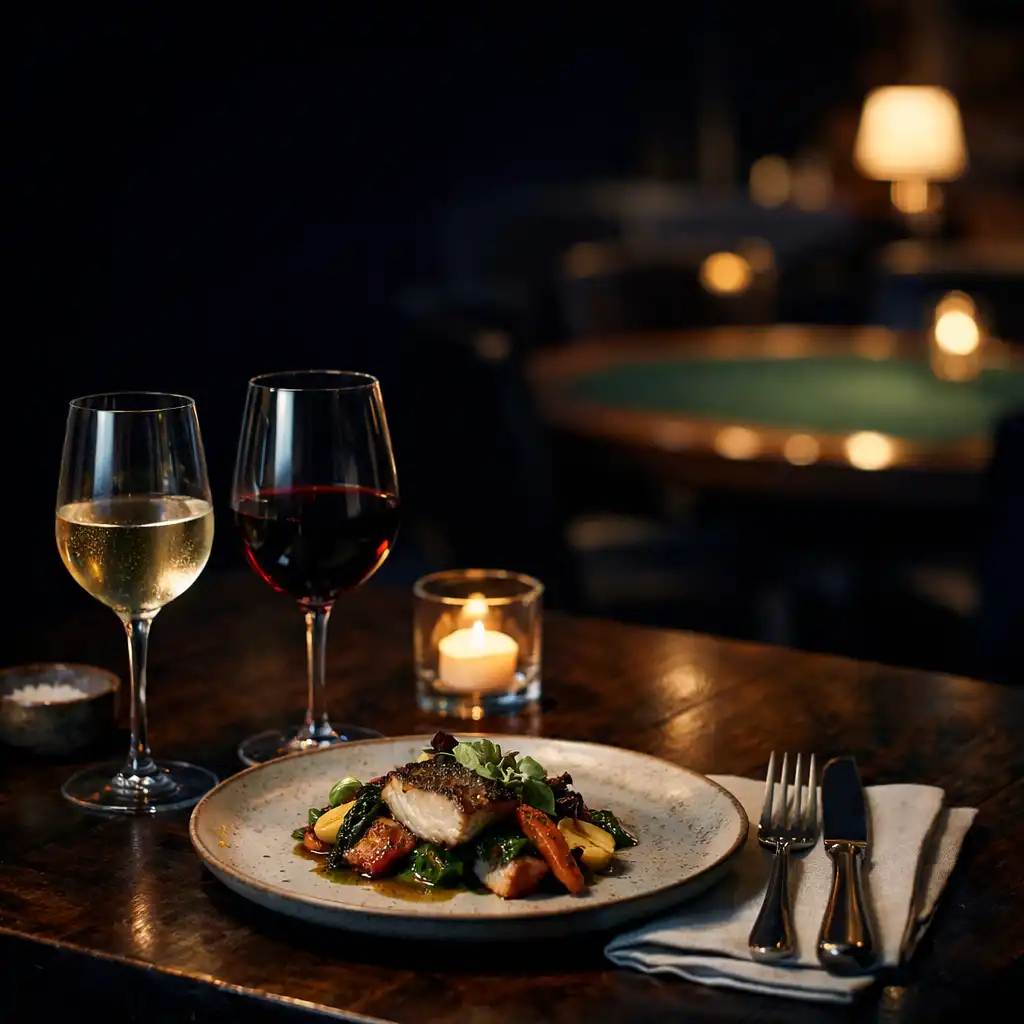
The reading lens
How to read this list
This Top 10 is a conversation starter, not a prescription. Each direction is led by style rather than a particular bottle, so the ideas can move with the food, the season and the people around the table. As you read, consider contrastechorefreshmenttexturepacing. Those small cues often make a shared meal feel more settled and more generous.
Start bright. Move slowly. Let the table set the pace.
02 / The table between courses
A table has its own rhythm
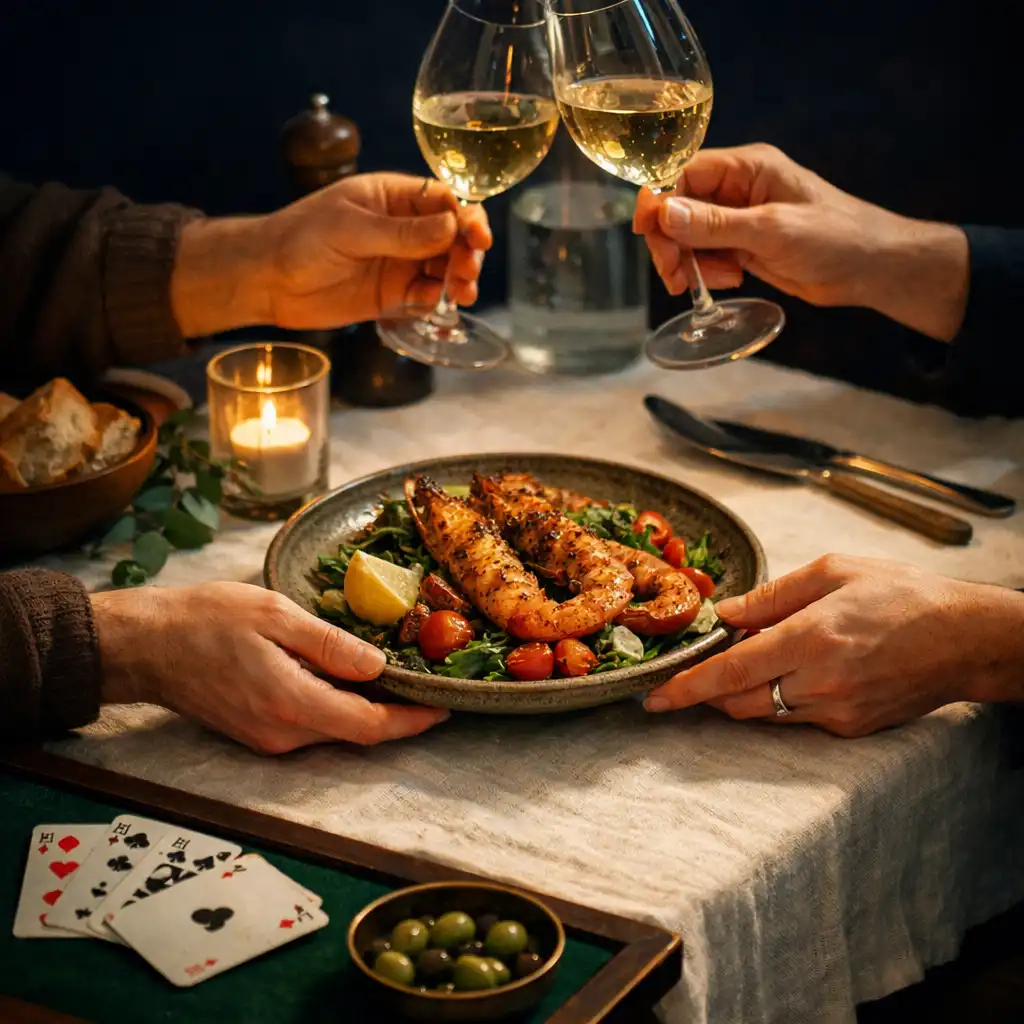
The first pour can give a table time to arrive. Glasses catch the low light, a shared plate finds its place, and quiet card-lounge details sit at the edge of the setting as social texture rather than the centre of attention. Best 10 Rankings keeps the focus on dinner, hospitality and conversation: a hosted table evening where the pace can loosen naturally between courses.
For a group, choose one wine direction that can travel across several plates, then let guests settle into the conversation before deciding what comes next.
First movement
01–05: Bright and savoury starts
These opening styles bring lift, clarity and an easy pace to the table. They are not ranked as universal winners; they are useful directions for meals that begin with freshness, texture and room for everyone’s tastes to emerge.
01–05 / Bright & savoury
-
01
Sparkling style
A crisp sparkling pour with a salty first course
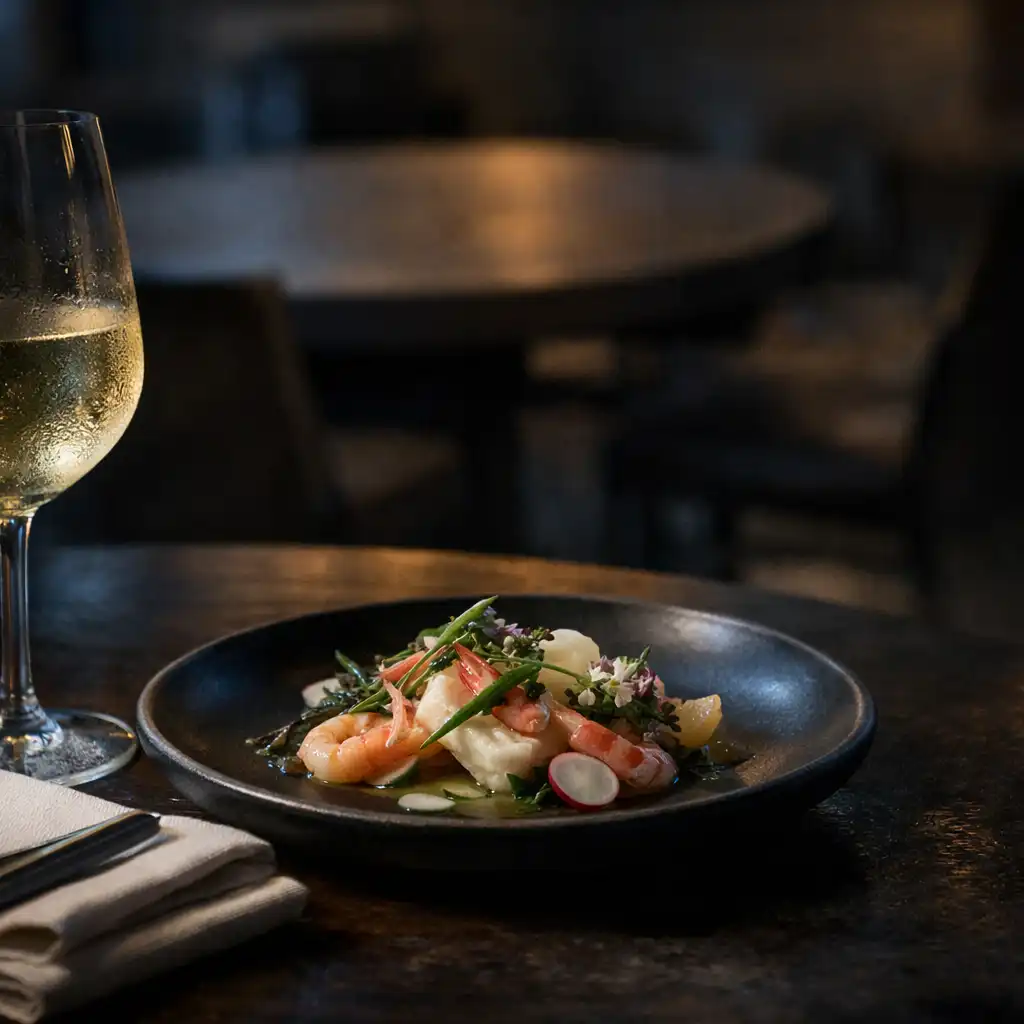
A dry sparkling style can make an inviting first move when the table begins with salty, fried or delicately textured plates. Its fine bead and clean finish often reset the palate between bites, while the coolness keeps richer textures from feeling heavy too soon. Think of it as a way to open space for conversation as much as food.
Look forBrightness, fine texture, a clean finish.
-
02
Aromatic white
A dry aromatic white with green, citrus-led flavours
A dry aromatic white can be a graceful partner for herb-led, citrusy or lightly spiced plates. The appeal is less about technical detail than a feeling of lift: perfume reaches the nose, acidity keeps the mouth awake, and the food retains its own shape. It is a useful choice when the table wants flavour without an overly weighty pour.
Why it worksAromatic lift meets fresh herbs, citrus and gentle spice.
-
03
Textured white
A textured white for roast and gentle smoke
When a plate leans toward roast, smoke or creamy elements, a textured white can act as a bridge. A little breadth in the wine can meet the food’s softness without flattening its detail, while freshness still keeps the pairing composed. This direction suits diners who want a white with presence but not a dramatic change in the table’s early pace.
Table cueRoundness for richer texture, with enough freshness to stay light on its feet.
-
04
Pale dry rosé
A pale rosé that keeps the middle of the table open
A pale, dry rosé can be one of the easiest shared-table directions when dinner is still deciding where it wants to go. It often carries enough freshness for charred vegetables and cured flavours, yet enough gentle fruit to avoid feeling severe. Its flexibility is the point: it gives a mixed table time to choose without forcing the meal into one flavour lane.
-
05
After the first round
A light red with a little evening chill
A lighter red, served with a little evening chill where appropriate, can make a gentle turn toward deeper flavours without leaving brightness behind. It can sit comfortably beside mushroom, peppery leaves or early char, and it keeps the mood conversational rather than formal. This is a useful second-step style when a table wants red wine without moving straight into weight.
Practical noteCooler serving can emphasise freshness and keep the transition easy.
Second movement
06–10: Richer after dark
As a shared meal settles in, wine can follow the food toward depth, warmth and longer conversation. These later styles are still prompts rather than promises, designed for an after-dark dining mood where the table has found its pace and the flavours are becoming more savoury.
06–10 / Richer after dark
-
06
Medium-bodied red
A medium red for tomato, herbs and slow depth
A medium-bodied red can be an appealing middle ground with tomato-led, herb-rich or gently braised flavours. Its savoury fruit and lively edge can echo the food’s depth without making every bite feel heavier. For a shared dinner, that balance matters: it gives the table a red with character while leaving room for the next course and the next thought.
Table cueSavoury fruit, a lively line and enough shape for slow-cooked depth.
-
07
Savoury red
A savoury red for the edge of the grill
For grilled or charred plates, a peppery, savoury red can pick up the darker edges without obscuring them. The most useful impression is lift rather than force: spice meets char, earthiness meets smoke, and the wine remains alert enough for the rest of the table. It can be a fine direction when dinner has become more pronounced but not yet heavy.
Sensory triadChar · pepper · savoury lift.
-
08
Fuller red style
A fuller red when the table settles in
A fuller, plush red style can suit the rich centre of a shared meal when the table is ready to slow down. Look for generosity and softness rather than sheer intensity: the aim is to hold a deeper dish comfortably, then leave everyone able to keep talking. This is a style-led recommendation for the point when a dinner begins to feel settled.
Best shared withA slower course and an unhurried table.
-
09
Finish slowly
A slow, sweet finish for the last course
A sweet-leaning or fortified-style finish can sit beautifully beside dessert textures, nuts, coffee or dark chocolate notes. The key is pace: a smaller, slower pour lets sweetness feel like a final detail rather than a loud conclusion. It can give the last course a clear frame, especially when the table is lingering over the final stories of the evening.
Table cueChoose a finish that supports the last course without rushing the farewell.
-
10
The final direction
The bottle that suits the conversation
The final choice is sometimes less about a pairing formula than the company at the table. A bottle that feels right for the conversation can give a dinner its most memorable pause: enough character to remain interesting, enough ease to share, and no pressure to make the evening perform. If this is the kind of table you are planning, plan an in-person table evening and use this list as a useful prompt.
RememberThe best final pour is often the one that leaves room for the table to linger.
For the host at the table
Build the table, not just the pairing
For a hosted table evening, begin with the food direction rather than a complicated list of wine terms. Choose one flexible first pour, notice whether the table is leaning brighter or fuller, then let the next bottle follow that feeling. Sharing preferences before the evening can help keep a mixed group comfortable without turning dinner into a tasting lecture.
- 01Start with the broad flavour direction of the table.
- 02Choose a flexible first pour that gives everyone room.
- 03Let the next direction follow the food and conversation.
Explore private group diningA few considered choices can keep a mixed table comfortable, while the meal remains exactly what it should be: shared time.
Practical notes
A few table questions
Clear answers for using the ranking as an easy, dining-first prompt.
- Do I need to know much about wine?
No. The guide is written around flavour, texture and occasion rather than specialist vocabulary. Start with what sounds good to eat, whether the table wants something bright or fuller, and how slowly you expect the meal to move. The ranking is there to make those choices easier to describe, not to test anyone’s wine knowledge.
- Should we follow the ranking in order?
Not at all. The order creates a useful progression of ideas, from brighter opening styles to slower, richer directions, but a table can begin wherever its food and mood suggest. Treat the list as a map of possibilities. A shared meal may move through several styles, or settle happily on one flexible direction.
- What does the card-lounge atmosphere mean here?
Offline-only
It means an in-person restaurant setting shaped by conversation, quiet table rituals and card-room ambience. The atmosphere sits alongside dinner as a social detail, with guests gathered around the table. Best 10 Rankings is an offline-only restaurant experience, and there is no remote participation.
- How do we take these ideas to the table?
Reserve an in-person table evening, then use the ranking as a prompt for preferences, shared courses and the pace you would like the night to take. You do not need a fixed formula before you arrive; the value is in having a few clear directions to begin the conversation. Plan a table evening.
A final pour
Take the list to the table
Whether you are choosing a table for two or gathering a group, these pairing ideas are designed to make planning feel more considered and less complicated. Bring the food direction, the people and the pace you have in mind; the ranking can help shape an evening that feels generous from the first pour to the last conversation.
Best 10 Rankings is an offline-only restaurant experience, centred on guests gathering in person around the table.
Continue the journal