Best 10 / table journal

Best 10 Card Lounge Rituals

An Australian restaurant guide to the small gestures that settle a card-lounge dinner: table light, shared plates, easy conversation and the calm geometry of a table made for people to linger.

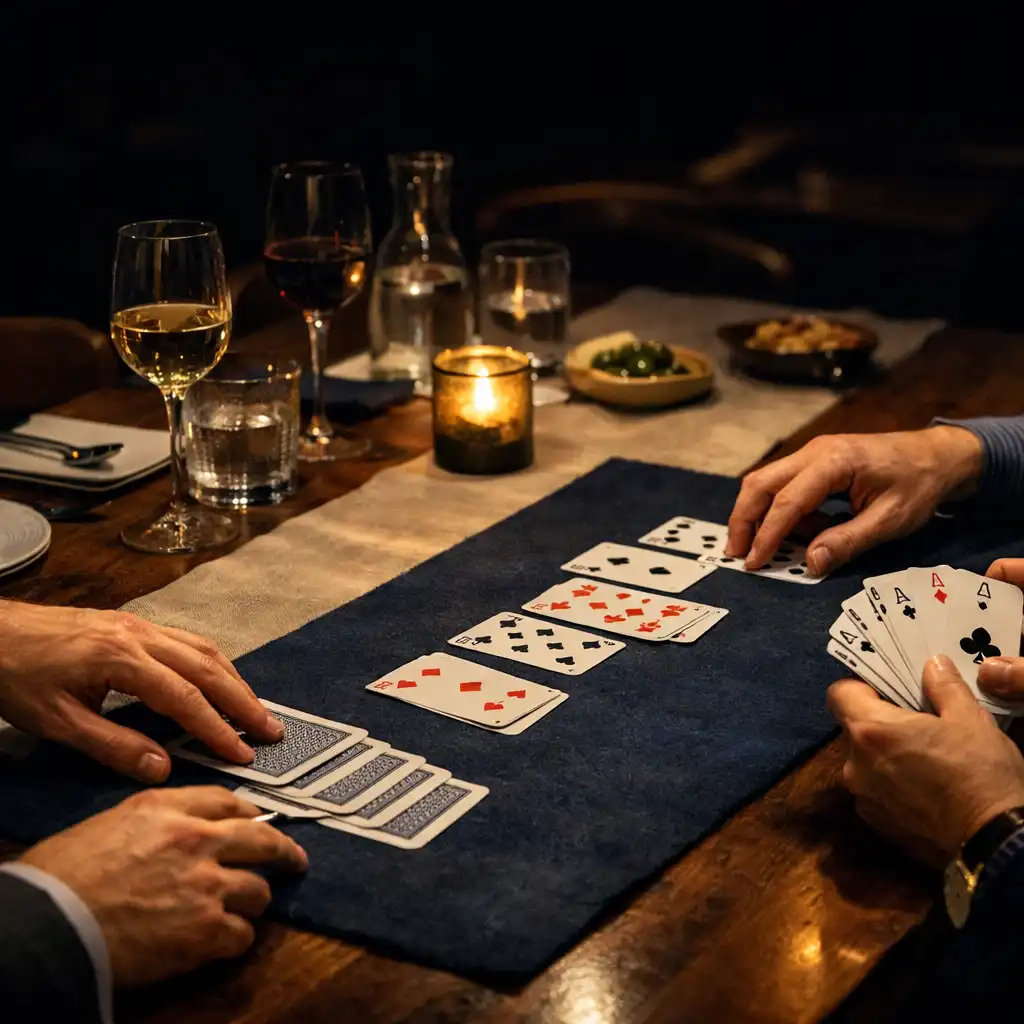
Communal restaurant table with shared plates, wine glasses and guests' hands arranging ordinary playing cards

A hospitable rhythm

The table begins before the first card

Rituals are not strict rules. They are small signs that guests can arrive, settle and share a table with ease. At a hosted table evening, a pause, an introduction or a plate passed across the centre can make card lounge ambience feel generous rather than staged. The best cues leave room for attentive service, welcoming conversation and the pace each group finds together.

Think of this guide as a dining companion: ten optional gestures for food, wine and social table time, shaped by the quiet atmosphere of an in-person card lounge.

Best 10 / 10–08

A gentle way into the evening

These ten rituals are an invitation, not a demand. Take the cues that suit your table, let the room breathe, and allow the meal to set an unhurried pace for every guest.

10

Arrive, then settle

Before menus, glasses or cards take over, give the table a moment to land. Notice the room, greet the group and leave a little space for late arrivals to join without fuss. That first pause signals that the evening is an in-person restaurant meal, not a race to fill every silence. It makes room for an unhurried welcome and lets conversation begin naturally.

At the table Let coats, bags and first impressions find a calm place before the meal begins.

09

Open with something shared

Water, a first pour or a small shared bite can open the conversation without asking anyone to perform. It gives guests a simple common reference point and lets food and wine pairing become part of the welcome. A considered non-alcoholic choice belongs here just as comfortably as wine; the ritual is attentiveness, not a particular glass. Let the first offering travel around the table at a pace everyone can join.

At the table A shared first gesture creates an easy bridge between guests.

08

Give the deck its place

Place the deck neatly where it can support conversation rather than compete with plates and glasses. In person, ordinary cards work best as a social table object: easy to pick up, easy to set down and never allowed to crowd the meal. A small, clear space keeps the table considerate for everyone, including guests who would rather talk, watch or simply enjoy the room.

At the table Keep cards in a neat stack between moments, leaving room for service and shared dishes.

Host placing a simple place card beside a water glass and neatly stacked deck at a restaurant table
07

Make room for introductions

When not every guest knows one another, keep introductions light. Names, a shared interest or one simple question about the evening can be enough to open a circle without making anyone the centre of attention. A hosted table evening feels more welcoming when people can enter the conversation at their own pace. The table itself does some of the work: a glass of water, a place setting and an open seat all say there is room here.

06

Let the first round stay light

A first small round of cards can be a conversation starter, especially when it remains light enough to put aside at any time. Guests who prefer to watch are still taking part in the social rhythm: they can notice the banter, follow the table and join when it feels right. In this in-person setting, the point is not to prove anything. It is to give the group another gentle way to talk.

At the table Watching, chatting and joining later are all welcome ways to participate.

05

Protect the centre of the table

Keep the centre useful for shared plates, glasses and the ordinary table pieces that may appear during the evening. Returning cards to a neat stack between moments helps everyone reach comfortably and gives food the room it deserves. It also keeps the service flow clear without turning the table into a formal arrangement. Good order should feel almost invisible: a clear centre, an easy reach and nothing asking too much of anyone.

Clear centre, easy reach A tidy table lets shared food move naturally.

04

Let the first shared plate set the pace

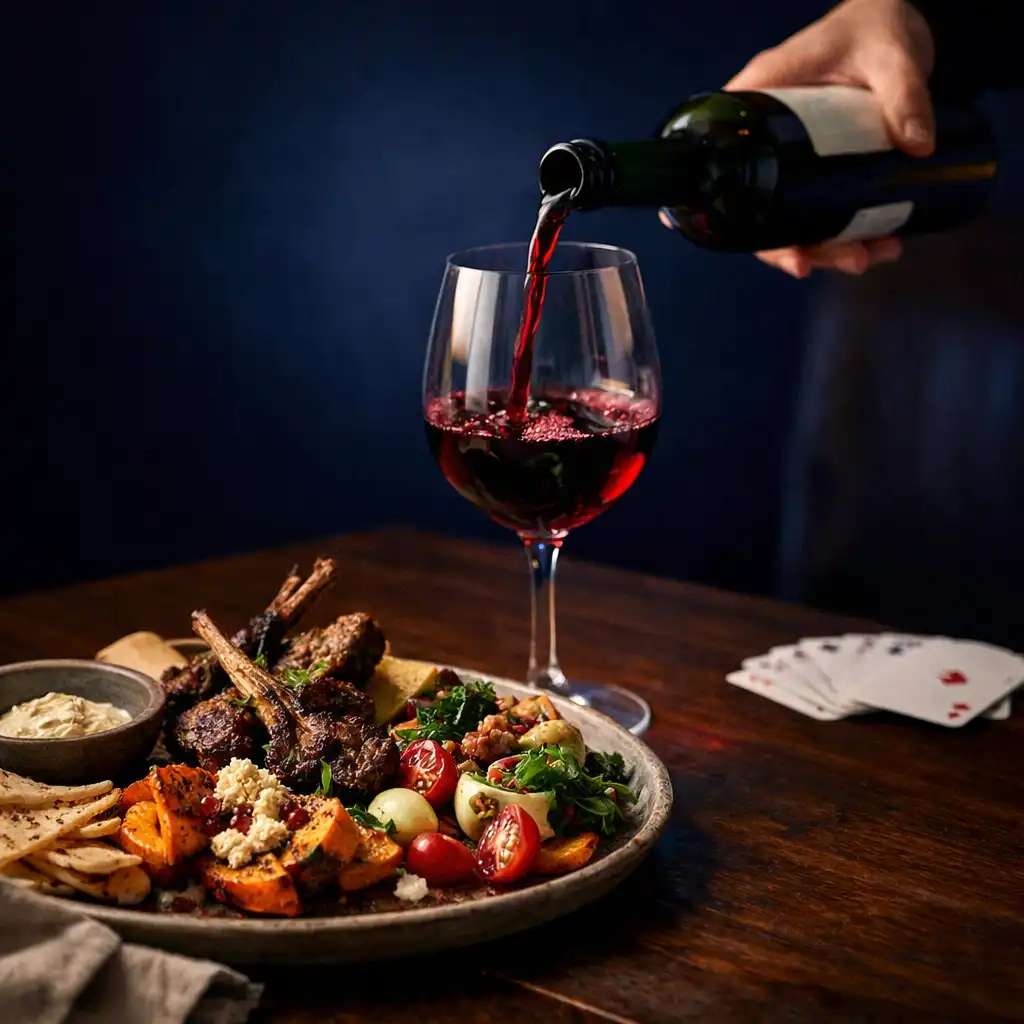
The first shared plate is a natural signal to slow down and bring everyone into the meal. Pass it with care, ask before reaching, and let the table discover its own rhythm rather than trying to organise every minute. Shared food makes conversation physical in the best sense: there is something to offer, notice and return to. In a restaurant card lounge, that sense of exchange keeps dining central while the table’s social rituals unfold around it.

Shared seasonal plate and a pour of red wine on a dark timber restaurant table
03

Mark the turn with a considered pour

When the conversation deepens, a wine pour, non-alcoholic choice or small toast can acknowledge the moment without interrupting it. Choice matters more than ceremony. Offer attention to what each guest feels like drinking, then let the table continue in its own voice. For more ideas about a considered pour and meal rhythm, explore our Top 10 Wine Pairings journal feature.

Pairing cue The right gesture is one that includes every guest’s preference.

02

Leave room for the next course

Let cards return between courses so dining remains the centre of the evening. A pause between hands is a chance to notice what has arrived, ask a question across the table or simply let the conversation settle. Social play works best when it can give way easily to the meal. In person at the restaurant, those pauses make the whole evening feel more spacious and considerate.

At the table Put the deck down before the next course becomes the moment to share.

01

Finish with a gracious close

Gather the table gently at the end of the evening. Finish the last conversation, thank the group and let the moment resolve without rushing toward the door. There may be a final dessert, a last glass or simply an unhurried goodbye; none needs to be forced into a grand finale. The most useful closing ritual is attention to the people still at the table. In an in-person restaurant evening, that care gives everyone a clear, warm way to leave.

The memorable ritual is attention shared across the table: enough room for the meal, the conversation and every guest’s own way of joining in.

Four diners talking around an oval restaurant lounge table with dessert plates and glassware

01Arrive gently. Give greetings and first impressions room before the table becomes busy.

02Share generously. Let food, drinks and conversation create easy common ground.

03Leave space for the meal. Cards can support the atmosphere without taking over.

For the host

A table ritual for private groups

A private group meal works best when the host chooses a simple shared rhythm rather than trying to schedule every moment. Allow arrivals to settle, let shared courses create natural pauses and leave the close open enough for the group to find its own finish. If you are considering an in-person gathering, explore Private Group Dining for the next step.

01

Start with breathing room

Give guests time to arrive, greet one another and find their seat before the table becomes busy. Light introductions and a calm first moment help everyone settle without putting anyone on the spot.

02

Let the meal do some hosting

Food and drinks offer a shared reference point for the group. Make room for drinkers and non-drinkers alike, and let passing, choosing and tasting keep the table communal rather than formal.

03

Keep participation optional

Cards remain a social, in-person table ritual. Conversation, watching and joining a small round are all valid ways to take part, so no guest needs to match anyone else’s pace.

Further reading

Continue the evening in the journal

These lounge rituals sit beside other Best 10 Rankings features for guests planning a fuller evening. Read them before an in-person visit, then bring only the ideas that feel useful to your own table.

In person, at the restaurant

Bring the ritual to the table

Bring these ideas into an in-person restaurant table evening shaped by dining, conversation and card-lounge rituals. Best 10 Rankings is an offline-only experience, with shared table time at its heart. Whether you are planning a simple evening or considering a private group meal, begin with the path that suits your gathering.

Editorial note

This ranking is an editorial guide to hospitality, dining atmosphere and social table rituals. Every Best 10 Rankings experience takes place offline and in person at the restaurant, where cards are part of the table atmosphere and shared social play alongside food, conversation and time together.